2026 Best Floor Scrubber Robot How to Choose the Right One for Your Needs
The rise of technology in cleaning solutions has led to the growing popularity of the Floor Scrubber Robot. According to industry data, the global market for robotic cleaners is projected to reach $5.6 billion by 2026. This growth highlights the increasing reliance on automation in maintaining cleanliness. However, selecting the right Floor Scrubber Robot can be a daunting task.
Many consumers face challenges in differentiating between models. Factors such as battery life, cleaning efficiency, and price vary widely. A recent survey found that over 70% of users prefer robots that combine advanced features with ease of use. Some models excel in cleaning effectiveness, while others struggle with navigation. Understanding these differences is crucial for making an informed choice.
Each floor scrubber robot has its strengths and weaknesses. For instance, some are better suited for larger spaces, whereas others shine in tight corners. Buyers need to consider their specific needs to select the ideal robot. Ultimately, the right choice can enhance cleaning efficiency while saving time and effort.
Understanding the Basics of Floor Scrubber Robots
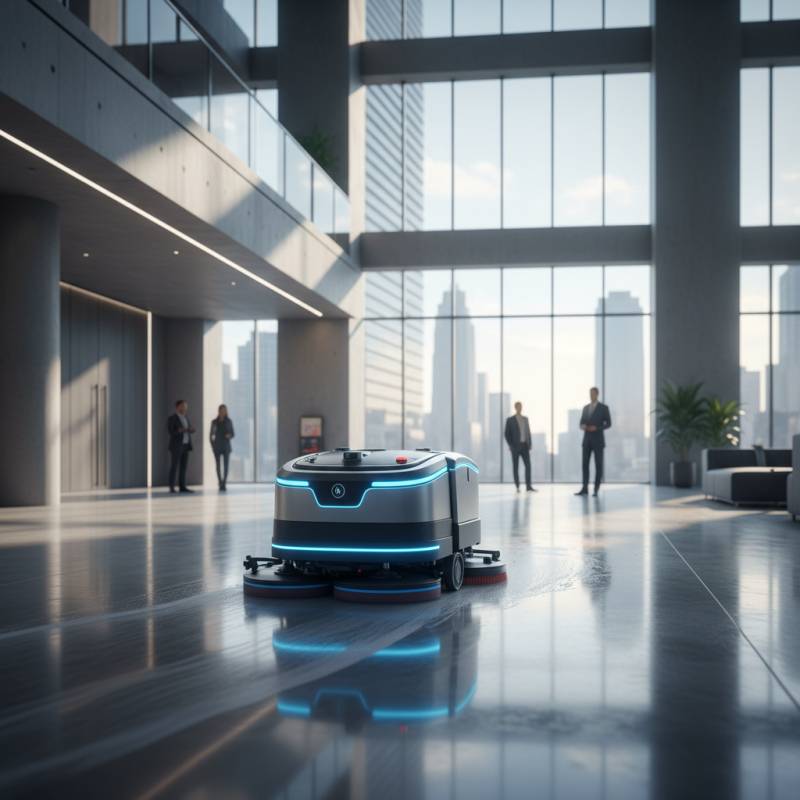
Floor scrubber robots offer an efficient solution for maintaining clean floors. They use advanced technology to scrub and mop surfaces with ease. Understanding how they work is essential for selecting the right model.
These robots typically feature sensors that navigate around obstacles. They can clean various floor types, from hardwood to tiles. Most models have a water tank for mopping and a collection bin for dirt. Knowing the capacity of these components is key for larger spaces. Battery life also matters; the robot should last long enough for your cleaning tasks.
While many people appreciate automation, some may find their cleaning performance lacking. They may miss corners or leave behind stubborn stains. Regular maintenance is crucial. Cleaning brushes and filters must be checked frequently, or efficiency declines. Reflect on your cleaning needs and choose a model that aligns with them. This ensures an effective cleaning routine tailored to your space.
Key Features to Look for in a Floor Scrubber Robot
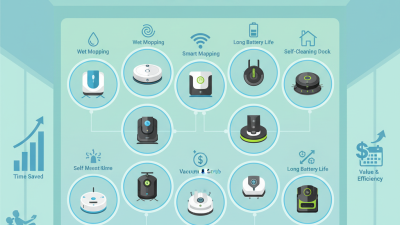
When choosing a floor scrubber robot, key features make a significant impact.
Look for a model that offers effective cleaning power. An ideal robot should have strong suction capabilities. It should also scrub different surfaces efficiently. Many models come with adjustable cleaning modes. This feature helps tackle various dirt levels and floor types.
Battery life is another crucial factor. A longer battery allows the robot to clean larger areas without interruptions. Additionally, consider the navigation system. Advanced sensors help the robot avoid obstacles and navigate around furniture seamlessly. Some robots even map your space, allowing for effective cleaning routes.
Keep in mind the importance of filter types and ease of maintenance. High-efficiency particulate air (HEPA) filters can trap fine dust and allergens. Regular maintenance ensures the robot continues performing well over time. Reflecting on your cleaning needs is essential. Not every high-tech feature may be necessary for your specific situation. Evaluate what matters most to you for optimal results.
Comparing Different Brands and Models for Performance
When choosing a floor scrubber robot, performance varies by brand and model. Each unit has unique features. Some excel in suction power, while others shine in battery life. Consider the size of your space. A smaller robot may struggle to clean larger areas effectively. Look for one that fits your routine and floor type.
Tips: Evaluate battery life based on your cleaning area. A robot that runs out before finishing is inefficient.
Another aspect to review is mapping technology. Some models navigate better, avoiding obstacles and covering all areas. Others may miss spots or get stuck easily. Research user reviews to gauge real-world performance.
Tips: Pay attention to customer feedback about navigation issues. This can save you time and frustration.
2026 Best Floor Scrubber Robot Comparison
| Model |
Battery Life |
Suction Power (Pa) |
Water Tank Capacity (L) |
Smart Features |
Price (USD) |
| Model A |
120 minutes |
2500 |
0.7 |
Yes |
$400 |
| Model B |
150 minutes |
2800 |
1.0 |
Yes |
$500 |
| Model C |
90 minutes |
2200 |
0.5 |
No |
$350 |
| Model D |
110 minutes |
2700 |
0.8 |
Yes |
$450 |
Evaluating Price vs. Functionality: Finding Your Budget Fit
When choosing a floor scrubber robot, price and functionality are crucial. A report from Statista indicates that the global market for robotic cleaning devices is projected to reach $7.5 billion by 2025. This growth highlights the increasing demand for efficient cleaning solutions. However, many consumers are often overwhelmed by the options available, leading to hasty decisions that may not align with their needs.
Evaluating your budget is essential. A recent survey showed that 40% of consumers prioritize affordability over advanced features. While it's tempting to choose a low-cost model, you might sacrifice efficiency and durability. For instance, some cheaper models lack powerful suction or scrubbing capabilities. Therefore, it's important to balance your financial constraints with the necessary features required for effective cleaning.
Consider the long-term impacts of your choice. Investing in a higher-quality robot can lead to cost savings over time. Reports suggest that robots with better performance ratings last longer and require less maintenance. Reflect on your cleaning needs before making a decision. Quality should not be overlooked in the pursuit of lower prices.
Maintenance Tips for Keeping Your Floor Scrubber Robot Efficient
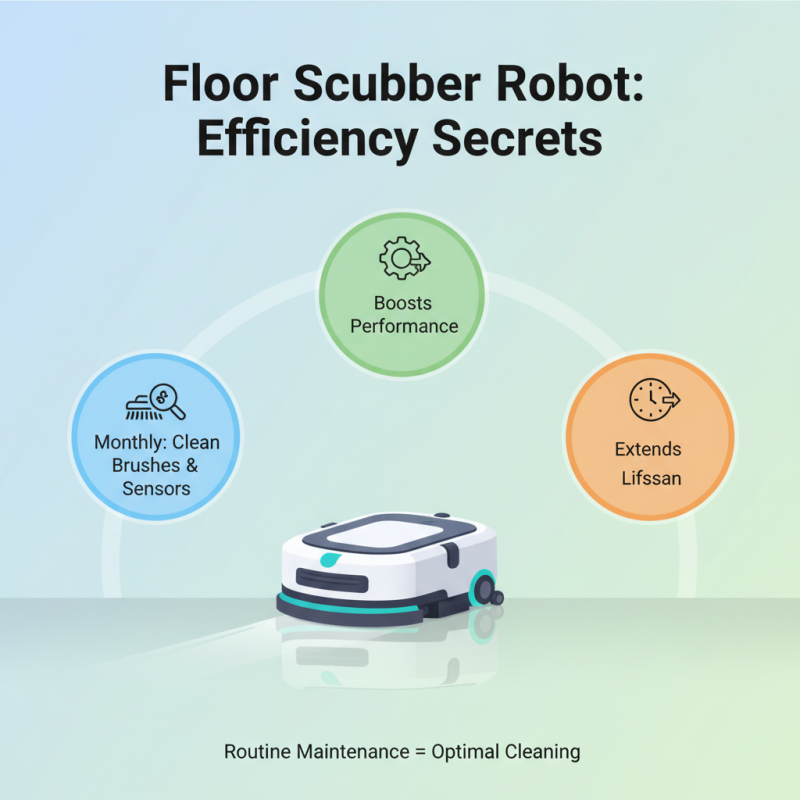
Maintaining your floor scrubber robot is essential for optimal performance. Regular upkeep enhances efficiency and prolongs its life. Start with routine cleaning. Dust and debris can accumulate on the sensors and brushes, impacting functionality. Every month, inspect these parts to ensure they are free of dirt. This simple step can lead to better scrubbing results.
Another important tip is to check the water and cleaning solution levels frequently. If the tank is empty, your robot can't clean effectively. Refill these components regularly, especially after extensive cleaning sessions. Pay attention to the brushes; they require occasional replacement. Worn-out brushes may leave dirt behind, which can lead to frustration.
Battery health also deserves attention. Over time, batteries lose their capacity. Consider replacing them when you notice shorter operation periods. Store your robot in a cool, dry place to extend battery life. Finally, don’t ignore the software updates. These updates can enhance functionality and fix bugs. Keeping your robot updated ensures it uses the latest technology for an efficient clean.

 Floor Scrubber
  Floor Sweeper
 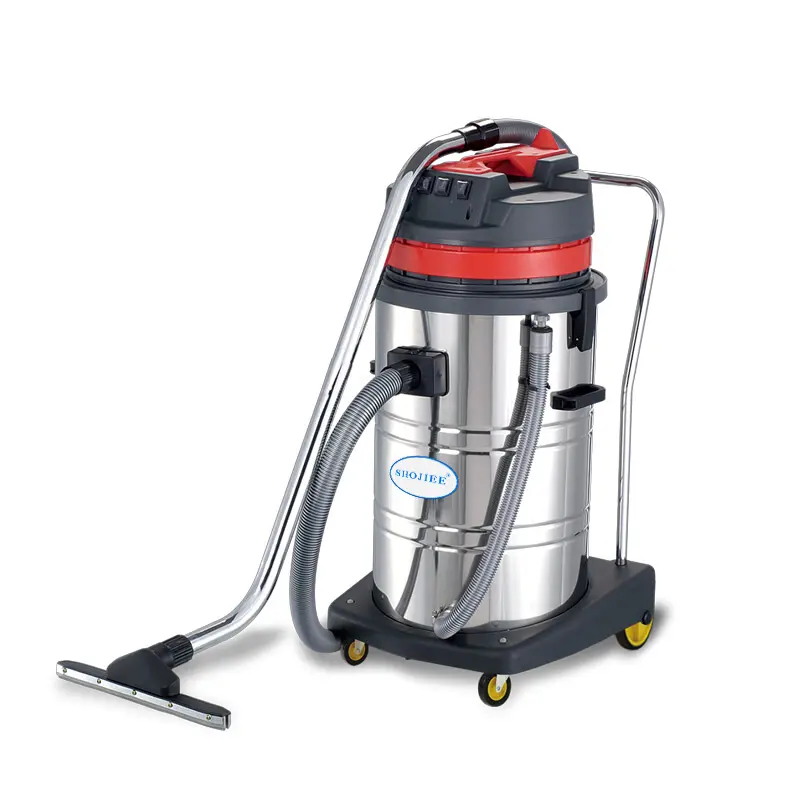 Vacuum Cleaner
 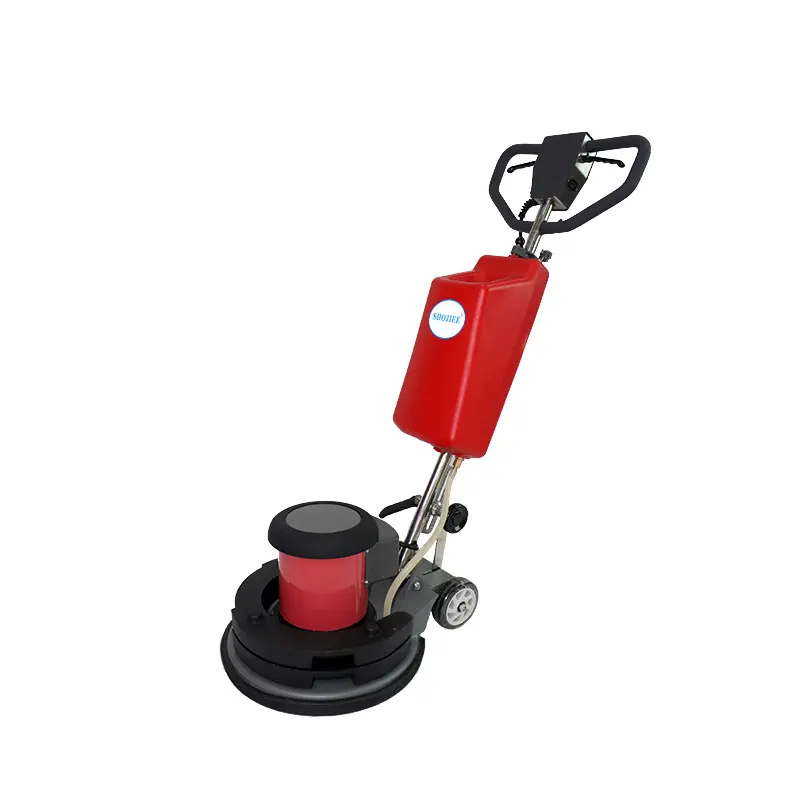 Hotel Cleaning Equipment