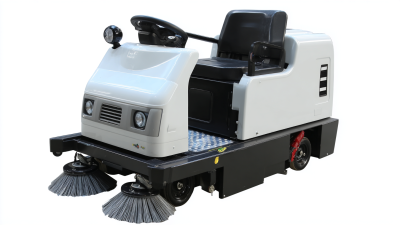
Why Choose an Electric Sweeper for Effortless Cleaning?
In today's fast-paced world, cleanliness is vital. The increasing demand for efficient cleaning solutions has led to the rise of the Electric Sweeper. According to industry reports, the global market for electric cleaning equipment is expected to reach $6 billion by 2025. This growth is driven by the need for sustainable and effective cleaning methods.
Electric Sweepers are becoming popular in both residential and commercial sectors. They offer superior performance compared to traditional cleaning methods. For instance, users report a 40% reduction in cleaning time. The advanced technology in these machines enhances their ability to pick up debris and dirt without effort.
However, it’s essential to consider their limitations. Some models may struggle with larger debris or uneven surfaces. Users might need to invest time in understanding the machine's features. Hence, while Electric Sweepers simplify cleaning, they require some initial learning and adjustment.
Benefits of Using Electric Sweepers for Efficient Cleaning
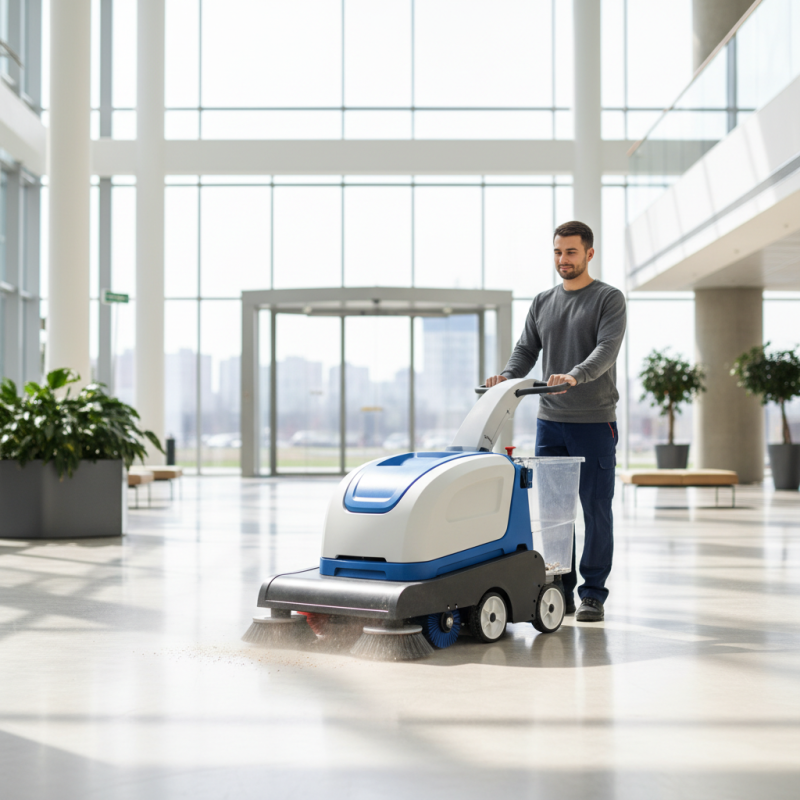
Electric sweepers offer significant advantages for cleaning. They effortlessly tackle dirt and debris on various surfaces. Their design allows access to tight spaces where traditional methods may fail. Users often appreciate their ability to collect large particles without the need for manual effort. It's a time-saver, especially for busy environments.
Efficiency is clear when using electric sweepers. They typically feature powerful motors that ensure thorough cleaning. Their operation is usually quieter than gas-powered options, which reduces noise pollution. Many models come with adjustable settings, catering to different floor types. While they are effective, some may require regular maintenance, which can be overlooked in busy schedules.
Ease of use is a major selling point. With a simple push or pull, users can achieve clean results. However, battery life can be a concern for extensive cleaning tasks. Users might find that shorter battery durations disrupt their workflow. This limitation prompts reflection on the importance of planning ahead when using electric sweepers.
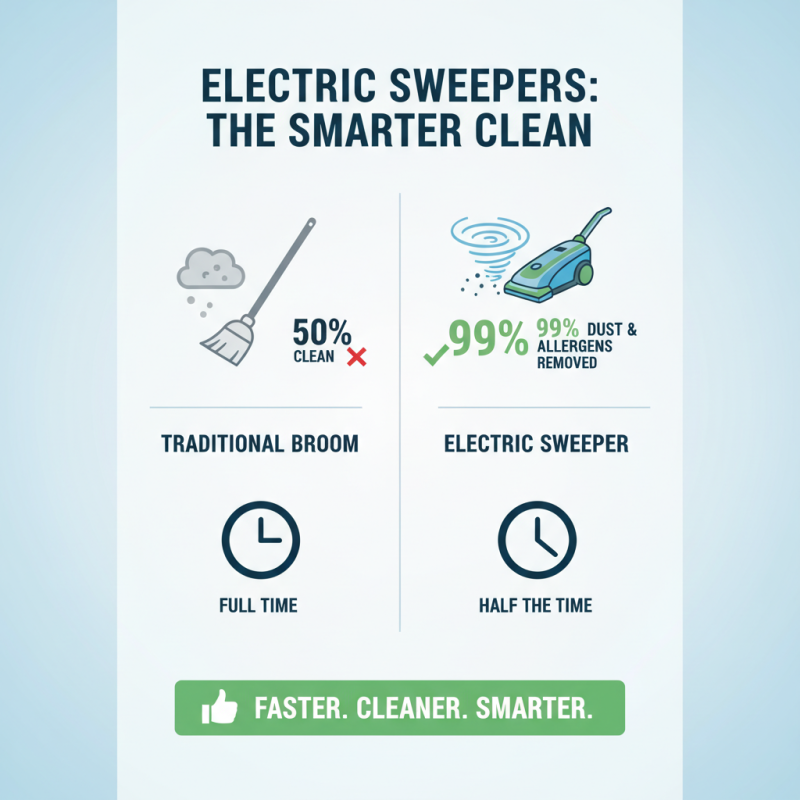
Comparison of Electric Sweepers with Traditional Cleaning Methods
Electric sweepers have gained popularity due to their efficiency. Compared to traditional brooms, they can pick up debris more thoroughly and quickly. Research indicates that electric sweepers can remove up to 99% of dust and allergens from surfaces. This offers a significant advantage for allergy sufferers. The speed of cleaning is also notable; electric sweepers clean large areas in a fraction of the time it takes to use a broom. Some users have reported finishing their cleaning tasks in half the time.
There are concerns about power consumption and maintenance. While electric sweepers may reduce cleaning time, they require electricity. Reports show that a standard electric sweeper consumes around 300 watts per hour during operation. This can add to the energy bill over time. Additionally, some models may need regular battery replacements. These replacement costs can be a burden for users. Traditional brooms, while labor-intensive, do not have ongoing maintenance costs or energy consumption.
User comfort is another consideration. Electric sweepers can minimize physical exertion, which is a plus for many. However, they can be heavy or cumbersome for some users. A user might find them hard to maneuver in tight spaces. It's important to reflect on what works best for your cleaning needs. Different factors like space, frequency of use, and personal preference should guide the choice.
Key Features to Look for in an Electric Sweeper
When selecting an electric sweeper, key features matter. Look for a model with a sturdy brush roll. This ensures effective dirt pickup on different surfaces. A machine with adjustable height can clean both carpets and hard floors. Portability is essential too. Lightweight designs make it easy to maneuver around furniture.
Battery life plays a significant role. A longer battery allows for uninterrupted cleaning sessions. Consider the dustbin size as well. A larger capacity means fewer trips to the trash. Removable and washable filters help maintain performance. Look for options that are easy to maintain. It’s frustrating when a machine clogs up during use.
Checking user reviews can provide insights into real-life performance. Some sweepers may shine in one area but fall short in another. Gathering personal experiences can guide your choice. Remember, the goal is to simplify cleaning, not complicate it. Choosing the right electric sweeper can make a real difference in your daily routine.
Maintenance Tips for Optimizing Electric Sweeper Performance
Maintaining an electric sweeper is crucial for optimal performance.
Regular checks can extend its lifespan. A study by the National Cleaning Association shows that well-maintained equipment performs 20% better.
Clean filters and empty dust bins are essential. Dirty filters can reduce suction power, leading to inadequate cleaning.
Battery maintenance is another key factor. Overcharging can shorten battery life. Experts recommend charging only after use and keeping batteries at room temperature.
The average lifespan of a battery is around 500 charges. However, poor charging habits can cut this down significantly.
Pay attention to the brushes, too. Worn or tangled brushes can hinder performance. Regularly inspect and replace them as needed.
A small investment in brushes can increase cleaning efficiency dramatically. Cleaning professionals noted that even minor adjustments lead to noticeable improvements in results.
Cost-Effectiveness: Long-Term Savings with Electric Sweepers
Electric sweepers offer a remarkable solution for effortless cleaning. One major advantage is their cost-effectiveness. While the initial purchase price may seem high, think long-term. These machines consume less energy compared to traditional cleaning methods. This results in lower utility bills over time.
Maintenance costs are also minimal. Many electric sweepers require simple upkeep, such as battery checks or filter replacements. This saves you money compared to hiring cleaning services or replacing worn-out equipment frequently. Regular usage can extend the lifespan of your electric sweeper, providing additional savings. It’s important to note that not all options are equally efficient; research is essential.
Moreover, electric sweepers reduce waste, aligning with eco-friendly practices. They often operate quietly, eliminating noise disruptions in busy environments. This is a significant detail for public spaces. However, it’s crucial to ensure the right model for your cleaning needs. Some may find they lack enough power for larger areas. Being aware of these limitations can guide better purchasing decisions. Balancing cost, effectiveness, and efficiency is key to maximizing your investment in an electric sweeper.
Cost-Effectiveness: Long-Term Savings with Electric Sweepers

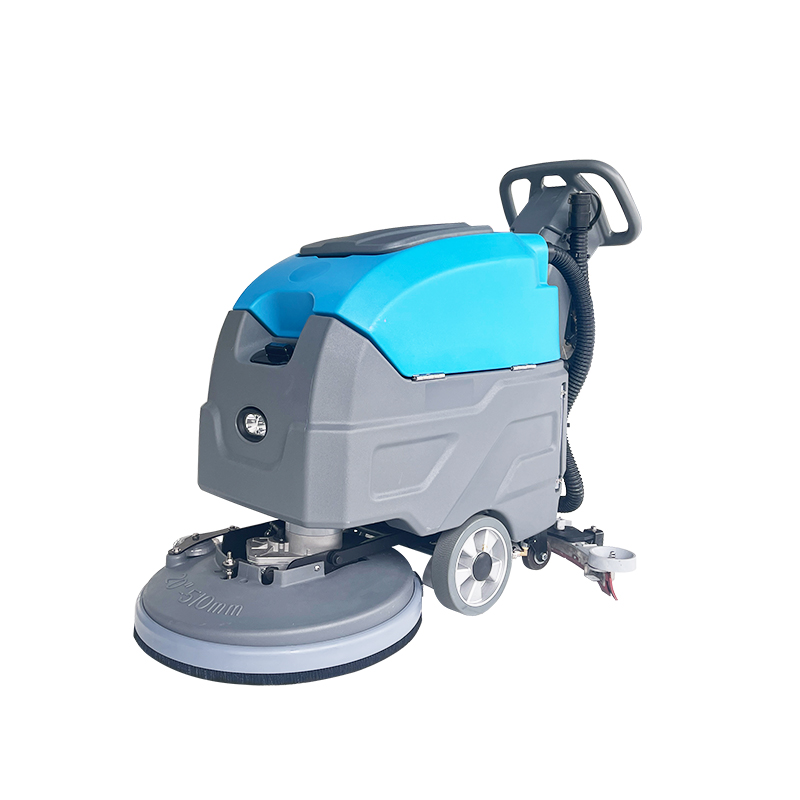 Floor Scrubber
 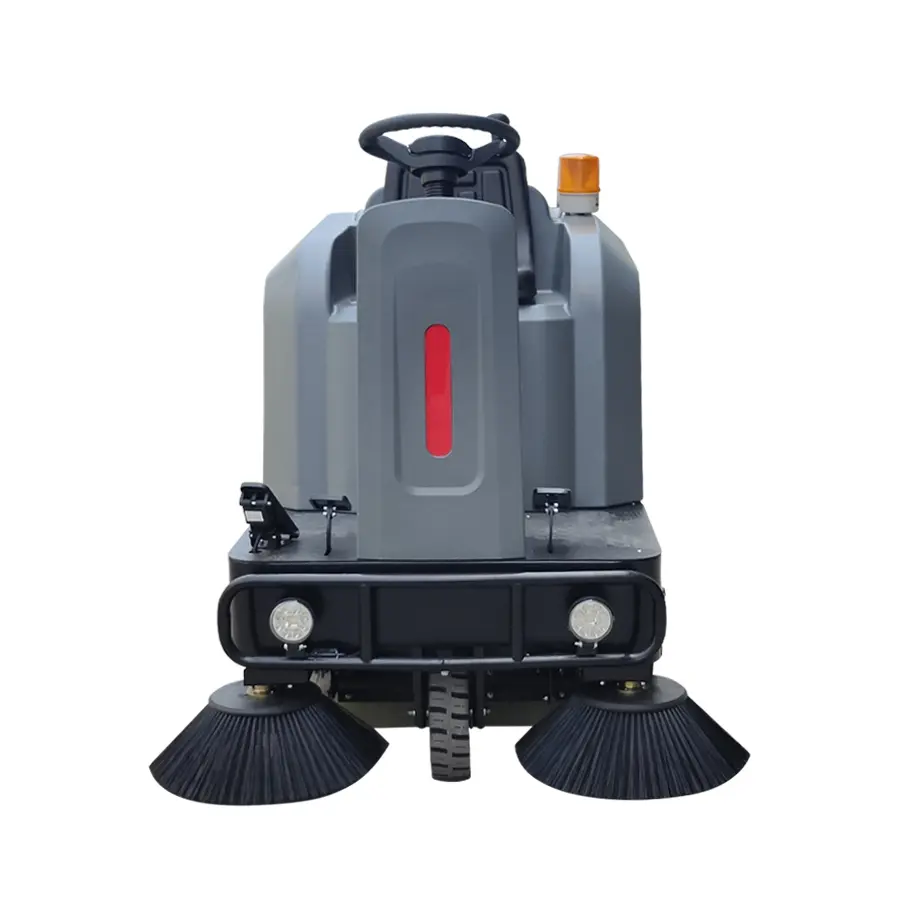 Floor Sweeper
 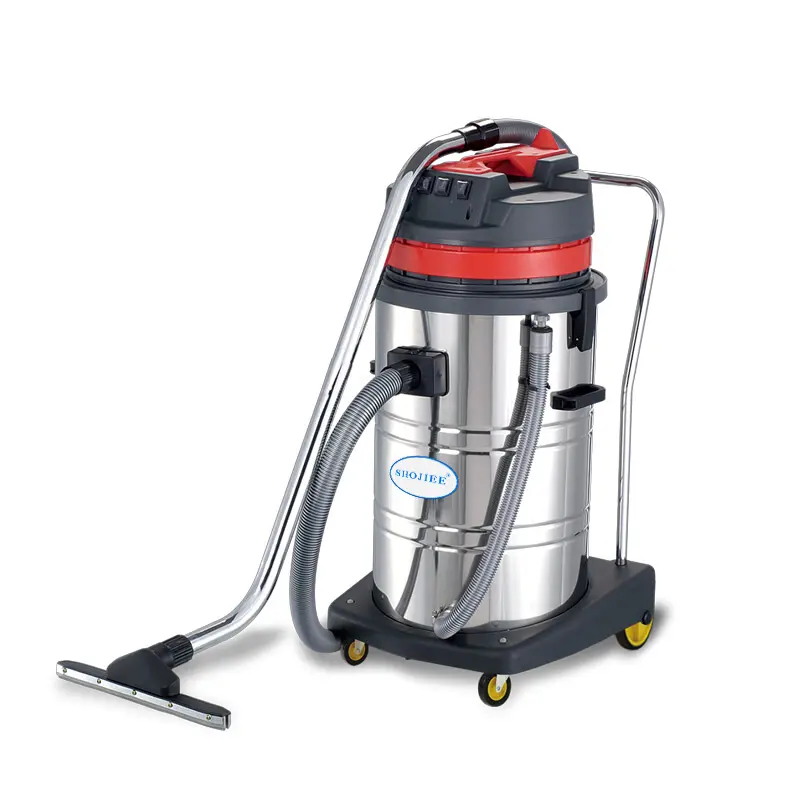 Vacuum Cleaner
 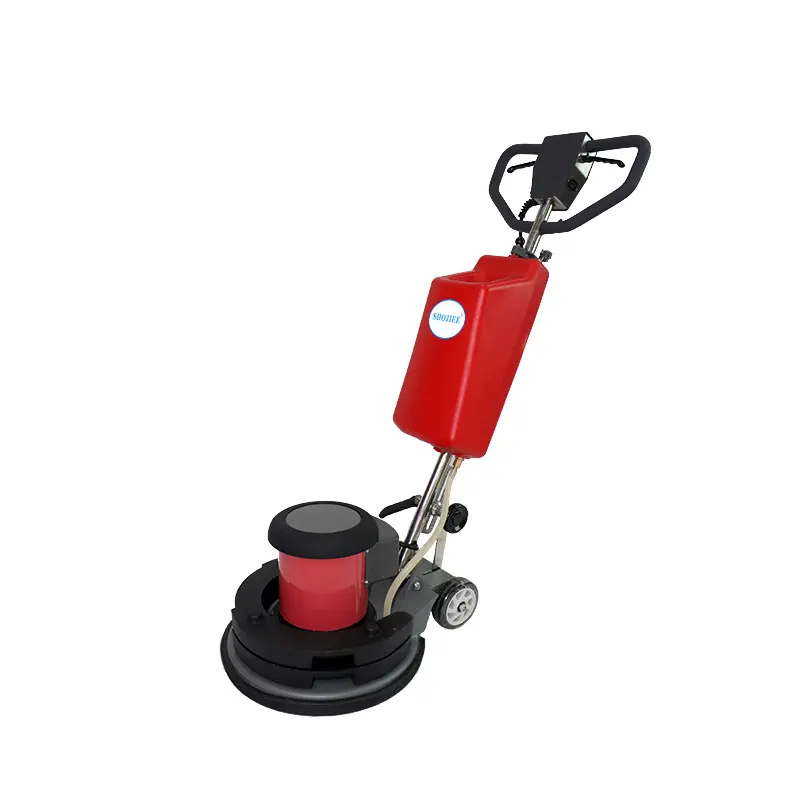 Hotel Cleaning Equipment