What is an Electric Sweeper and How Does it Work for Efficient Cleaning
In recent years, the demand for efficient cleaning solutions has surged, particularly in commercial and industrial sectors. An Electric Sweeper has emerged as a pivotal tool in enhancing cleaning productivity while minimizing manual labor. According to a report by the Cleaning Industry Research Institute, the global market for cleaning equipment, including electric sweepers, is projected to grow by 7% annually, driven by a growing emphasis on cleanliness and hygiene across various industries. This growth underscores the importance of incorporating modern technology into cleaning processes to achieve optimal results.
Electric Sweepers utilize advanced brush technology and powerful motors to effectively remove debris, dust, and dirt from surfaces, whether indoors or outdoors. They operate with a higher efficiency compared to traditional sweeping methods, offering substantial labor savings and reducing cleaning times by up to 30%, as highlighted by the National Association of Janitorial Services. By using an Electric Sweeper, businesses can not only enhance their operational efficiency but also contribute to a cleaner environment, thereby aligning with sustainability goals. Understanding how Electric Sweepers work and their advantages is essential for organizations aiming to streamline their cleaning processes and maintain high standards of cleanliness.

What is an Electric Sweeper?
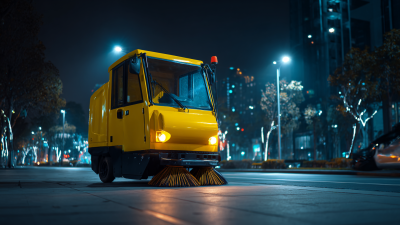
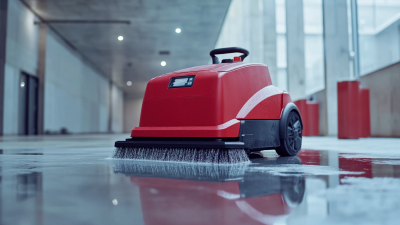
An electric sweeper is a powerful cleaning machine designed to efficiently remove dirt, debris, and dust from various surfaces, typically found in commercial and industrial settings. Unlike traditional manual sweeping methods, electric sweepers utilize electric power to drive their motors, making them much more efficient and less labor-intensive. These machines come equipped with brushes that agitate the dirt and debris, while a vacuum system collects the particles, leaving the surface clean and tidy. Their design enables them to cover large areas quickly, making them an ideal choice for warehouses, parking lots, and sidewalks.
When using an electric sweeper, it's essential to consider a few tips to enhance its cleaning efficiency. First, always ensure that the sweeper is well-maintained, with brushes and filters replaced as needed. A dirty or worn-out brush can reduce cleaning effectiveness significantly. Additionally, familiarize yourself with the different settings and attachments that your sweeper may offer, as adjusting these can cater to various surfaces and debris types.
Another useful tip is to schedule regular cleaning intervals. Establishing a routine not only helps maintain cleanliness but also prolongs the lifespan of your electric sweeper. Lastly, always empty the debris container after each use, as a full container can hinder performance and lead to accidental spills during operation. With proper care and maintenance, an electric sweeper can be a reliable asset for efficient cleaning.
Electric Sweeper Efficiency Comparison
This chart illustrates the average cleaning efficiency of various types of electric sweepers in terms of square meters cleaned per hour. The data shows the effectiveness of different models in real-world applications, helping users understand which type may suit their needs best.
Components of an Electric Sweeper
Electric sweepers are designed to provide efficient cleaning solutions, commonly used in various settings like warehouses, streets, and large parking lots. Understanding the components that make up an electric sweeper is essential to grasp how these machines operate effectively.
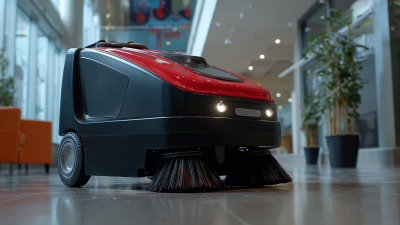
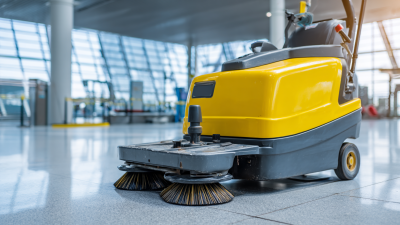
At the heart of an electric sweeper is its powerful electric motor, which drives the system and provides the necessary suction and brush action. The motor powers the main broom, typically located at the front of the machine, which rotates to agitate and sweep up debris and dust from surfaces. Additionally, many electric sweepers are equipped with multiple brushes, including side brooms that extend beyond the main body to capture dirt and litter from edges and corners. This multi-brush system enhances the overall cleaning ability by ensuring that no debris is left behind.
Another crucial component is the dust control system, which often includes a vacuum function to collect the swept debris into a hopper or container. The filters within the dust control system help to trap fine particulates, ensuring that the air remains clean during the operation. The operator's interface, typically featuring controls for speed and direction, allows for easy maneuverability and efficient use of the machine. Together, these components work in harmony to provide a comprehensive and effective cleaning experience, making electric sweepers a valuable tool for maintaining cleanliness in various environments.
How Electric Sweepers Work: Mechanisms and Processes
Electric sweepers are innovative cleaning machines designed for efficient dust and debris removal, particularly in large spaces like warehouses, parking lots, and streets. The primary mechanisms behind electric sweepers include a series of rotating brushes, vacuum systems, and advanced filtration technology. When in operation, the rotating brushes dislodge dirt and debris from the surface, allowing the vacuum system to collect and store the particles in a designated compartment. This dual-action process ensures thorough cleaning with minimal operator effort.
Recent industry reports indicate that electric sweepers can enhance productivity by up to 25% compared to traditional manual cleaning methods, significantly reducing labor costs and time spent on maintenance. Furthermore, with the implementation of HEPA filtration systems, electric sweepers can effectively capture fine particles, contributing to better indoor air quality—a critical factor for organizations operating in indoor environments.
**Tips for Efficient Use:** Always maintain the brushes and replace filters regularly to ensure optimal performance. Consider scheduling cleaning during off-peak hours to minimize disruptions and maximize the machine's effectiveness. It’s also beneficial to train staff on the proper usage of electric sweepers to achieve the best cleaning results.
What is an Electric Sweeper and How Does it Work for Efficient Cleaning
| Feature |
Description |
Benefits |
| Power Source |
Electric motor powered by batteries or electricity |
Environmentally friendly, reduces noise pollution |
| Cleaning Mechanism |
Rotating brushes and suction system |
Efficient dirt and debris removal |
| Maintenance |
Easy to clean and replace brushes and filters |
Lower long-term operational costs |
| Applications |
Suitable for indoor and outdoor use, including streets, parking lots, and warehouses |
Versatile and useful in various cleaning tasks |
| User-Friendliness |
Lightweight and easy to maneuver |
Less user fatigue during long cleaning periods |
Advantages of Using Electric Sweepers for Cleaning
Electric sweepers are becoming increasingly popular in various cleaning applications, offering a number of advantages over traditional cleaning methods. According to a report by the Cleaning Equipment Association, electric sweepers can reduce cleaning time by up to 50% compared to manual sweeping. This efficiency is largely due to their ability to cover larger areas more quickly while simultaneously collecting debris, dust, and other particles through their advanced suction and sweeping mechanisms.
One of the significant benefits of electric sweepers is their environmental impact. Many models are designed to operate quietly and generate zero emissions, making them an ideal choice for indoor cleaning in sensitive environments like schools and hospitals. A study by the Environmental Protection Agency noted that electric sweepers can help reduce air pollution by lowering the reliance on gas-powered equipment, which contributes to smog and greenhouse gas emissions. Furthermore, the use of electric sweepers leads to less physical strain on operators, promoting a safer and more ergonomic cleaning environment.
In addition to their operational advantages, electric sweepers are often equipped with advanced filtration systems that capture fine particulate matter, enhancing indoor air quality. The American Industrial Hygiene Association has reported that maintaining a clean environment can significantly decrease the prevalence of respiratory issues among employees and customers. By investing in electric sweepers, businesses not only improve their cleaning efficiency but also contribute to creating healthier spaces for everyone.
Maintenance Tips for Electric Sweepers
Electric sweepers are designed for efficient cleaning in various environments, ranging from indoor settings to expansive outdoor areas. To maintain optimal functionality, it's crucial to follow specific maintenance tips. Regularly inspecting and cleaning the machine's filters can greatly enhance its performance. According to a report from the Cleaning Industry Research Institute, proper filter maintenance can improve airflow efficiency by as much as 30%, leading to better debris pickup and overall operational effectiveness.
Furthermore, keeping the brush components in good condition is essential for maintaining an electric sweeper's cleaning capabilities. Brushes should be checked for wear and replaced when necessary to ensure they are effective at collecting dirt and debris. The National Association of Surface Cleaning Equipment Manufacturers suggests that routine brush replacement can prevent damage to the machine and guarantee that it maintains its performance over time. Additionally, lubricating the moving parts regularly can extend the life of the equipment, preventing mechanical failures that could lead to costly repairs.
Finally, it is also important to store electric sweepers in a clean and dry environment to protect them from external factors that could cause rust or damage. By adopting these maintenance practices, users can significantly increase their electric sweepers' lifespan and maintain optimal cleaning performance.

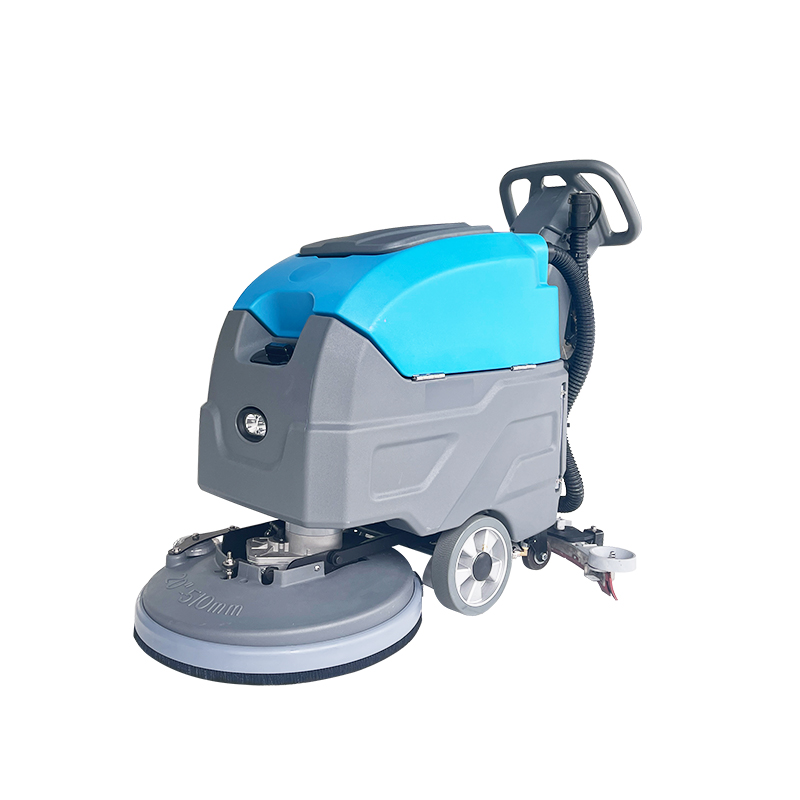 Floor Scrubber
 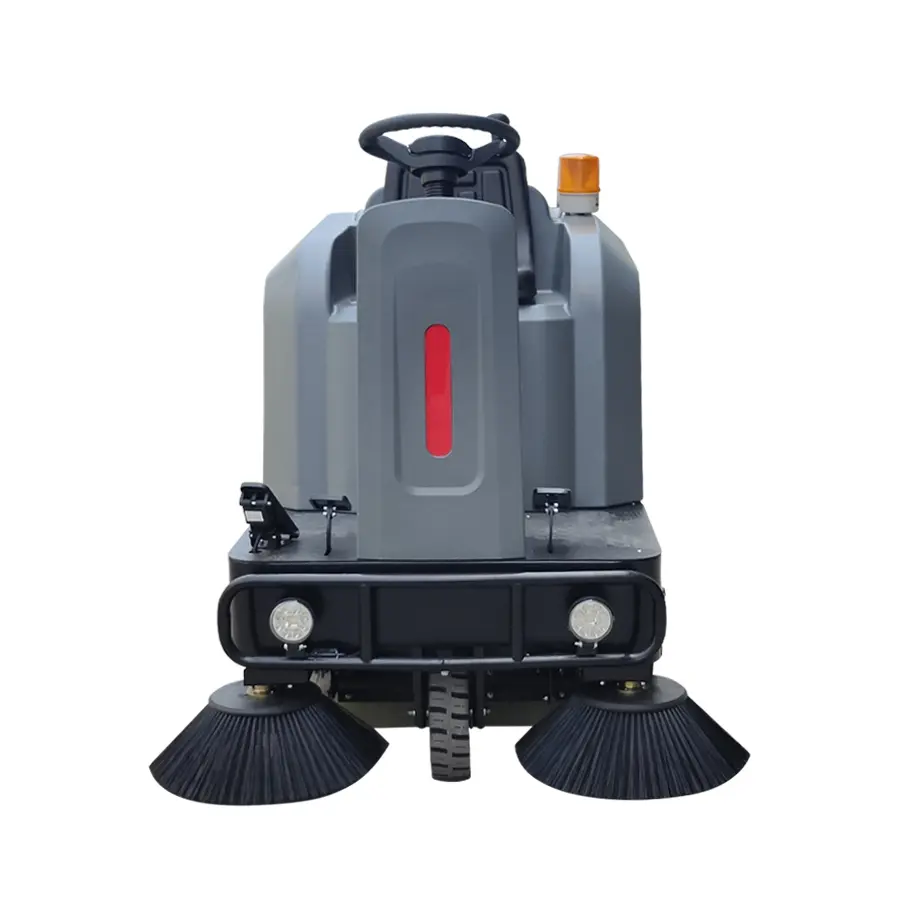 Floor Sweeper
 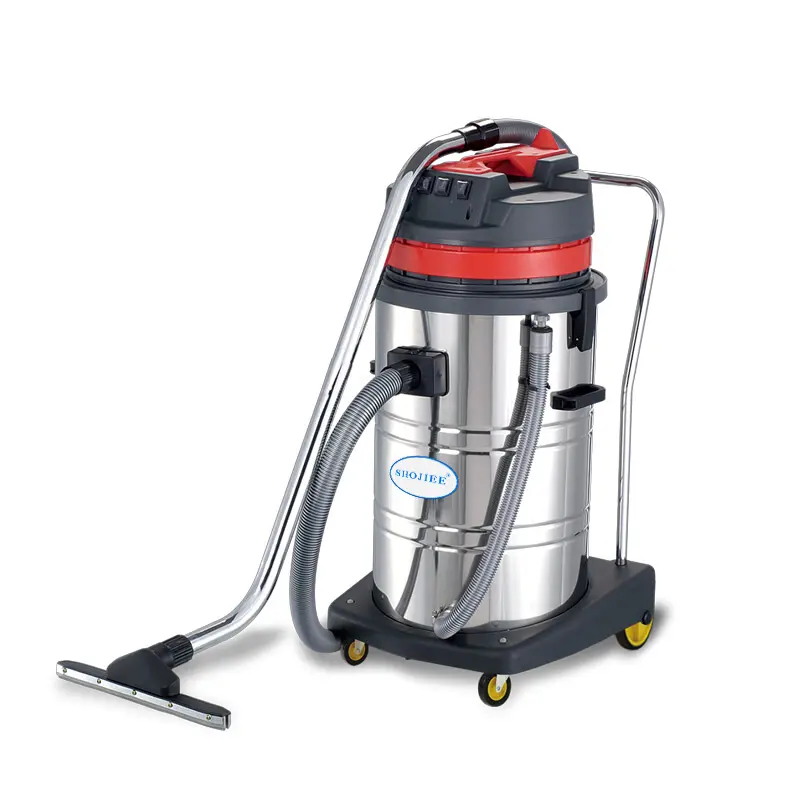 Vacuum Cleaner
 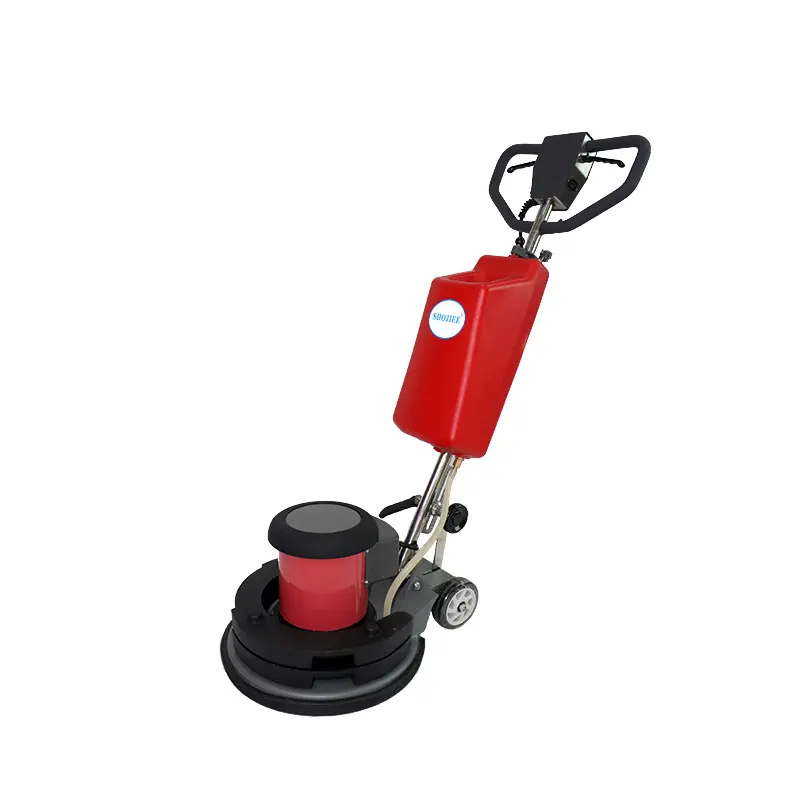 Hotel Cleaning Equipment