Top Tips for Choosing the Best Floor Sweeper Scrubber for Your Needs
The cleaning industry is continually evolving, with innovations in equipment design and efficiency. One of the critical components in maintaining cleanliness in both commercial and industrial settings is the Floor Sweeper Scrubber. These multifunctional machines combine sweeping and scrubbing capabilities, enabling the effective removal of dirt, debris, and stains from various floor surfaces. According to a report by the Cleaning Industry Research Institute, the global market for floor cleaning equipment is projected to reach $3.2 billion by 2026, reflecting the growing demand for efficient and effective cleaning solutions.
When selecting a Floor Sweeper Scrubber, it's essential to consider factors such as the size of the area to be cleaned, the types of surfaces involved, and the nature of the debris. Industry experts emphasize that the right choice can significantly enhance cleaning efficiency and reduce labor costs. For example, using the appropriate size and type of sweeper scrubber can decrease cleaning time by up to 50%, while also improving the overall cleanliness and safety of the environment. This highlights the importance of making an informed decision to match the specific needs of your cleaning operations and achieve optimal performance.
Understanding Different Types of Floor Sweeper Scrubbers and Their Applications
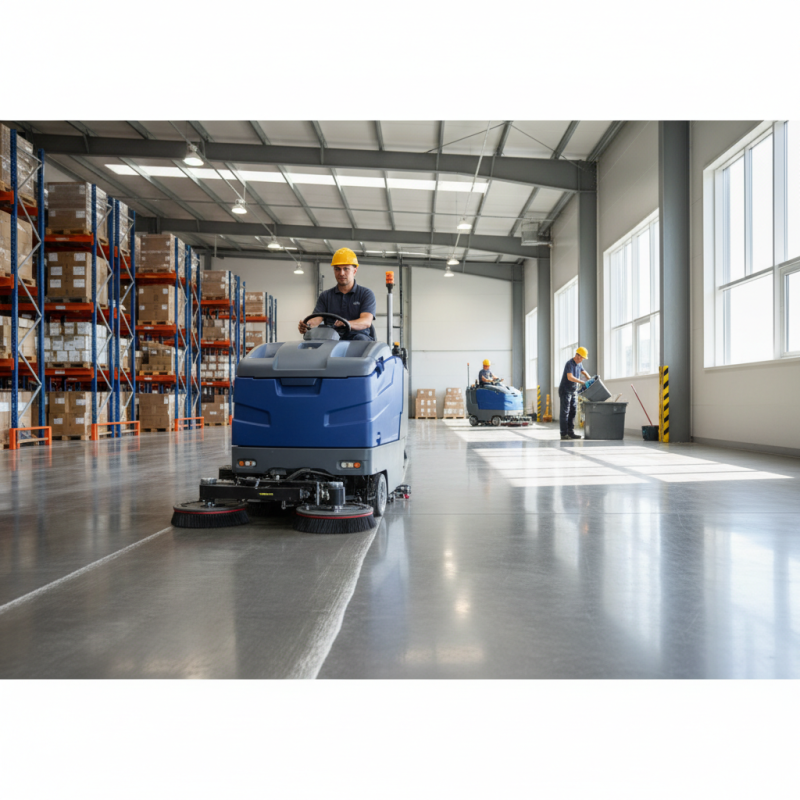
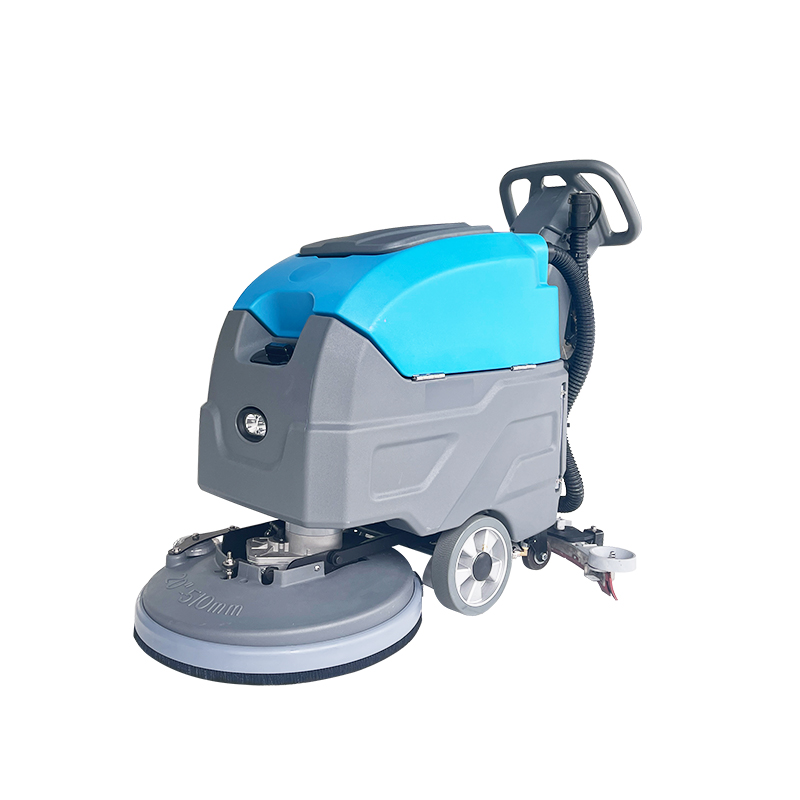
When it comes to maintaining cleanliness in commercial or industrial spaces, understanding the different types of floor sweeper scrubbers and their specific applications is crucial. There are primarily two types of floor scrubbers: manual and automatic. Manual scrubbers allow for greater control and precision, making them ideal for small areas or intricate spaces. Conversely, automatic scrubbers are designed for larger surfaces. They can save time and labor, efficiently cleaning expansive floor areas without sacrificing performance.
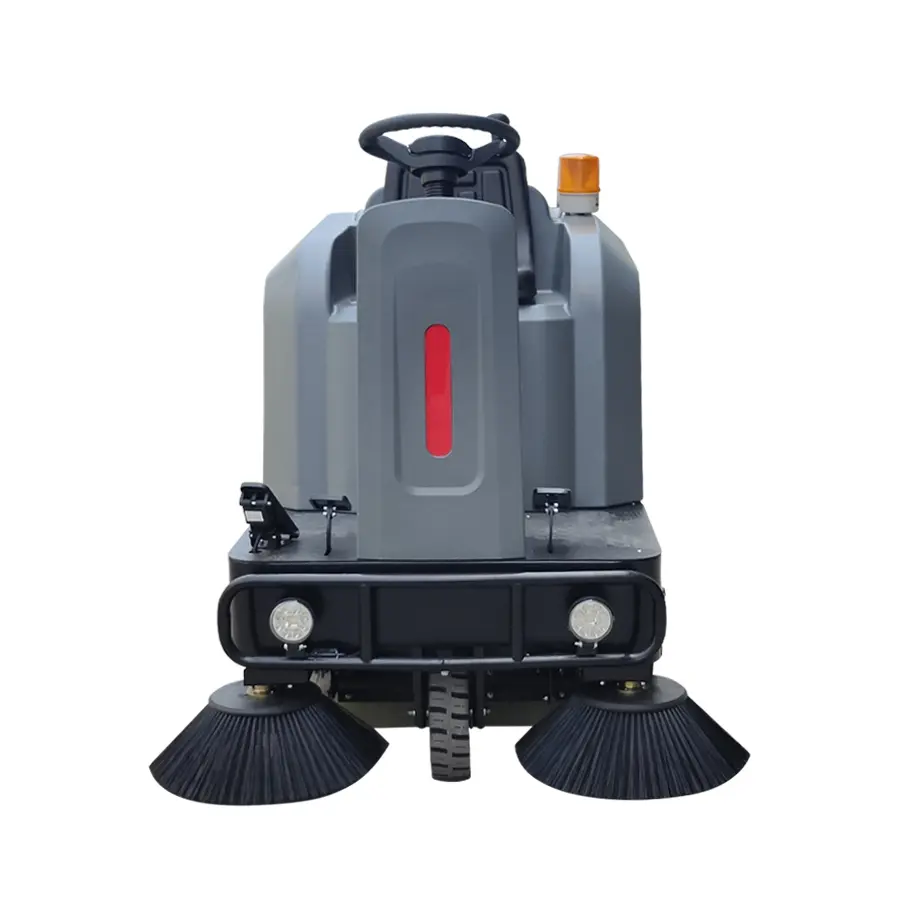
Additionally, floor sweeper scrubbers can be categorized based on their functionality. Walk-behind models are suitable for small to medium-sized facilities, giving the operator ease of movement and maneuverability. In contrast, ride-on models are more effective for larger environments, where speed and coverage are paramount. Each type has its own set of features tailored to different needs, such as hard floor cleaning, carpet extraction, or specialized settings for sensitive environments. Understanding these differences helps in selecting the right equipment to achieve optimal cleaning results while ensuring safety and operational efficiency.
Top Tips for Choosing the Best Floor Sweeper Scrubber for Your Needs
| Type |
Best For |
Key Features |
Average Cost |
| Walk-Behind Scrubber |
Smaller Areas |
Compact, Easy to maneuver |
$3,000 - $5,000 |
| Rider Scrubber |
Large Spaces |
High capacity, Comfortable |
$7,000 - $15,000 |
| Automated Scrubber |
High Efficiency |
Robotic, Minimal human intervention |
$15,000 - $25,000 |
| Combination Sweeper/Scrubber |
Multiple Surfaces |
Versatile, Efficient cleaning |
$5,000 - $10,000 |
| Single Disc Scrubber |
Small to Medium Areas |
Versatile, Lightweight |
$1,000 - $3,500 |
Key Features to Consider When Selecting a Floor Sweeper Scrubber
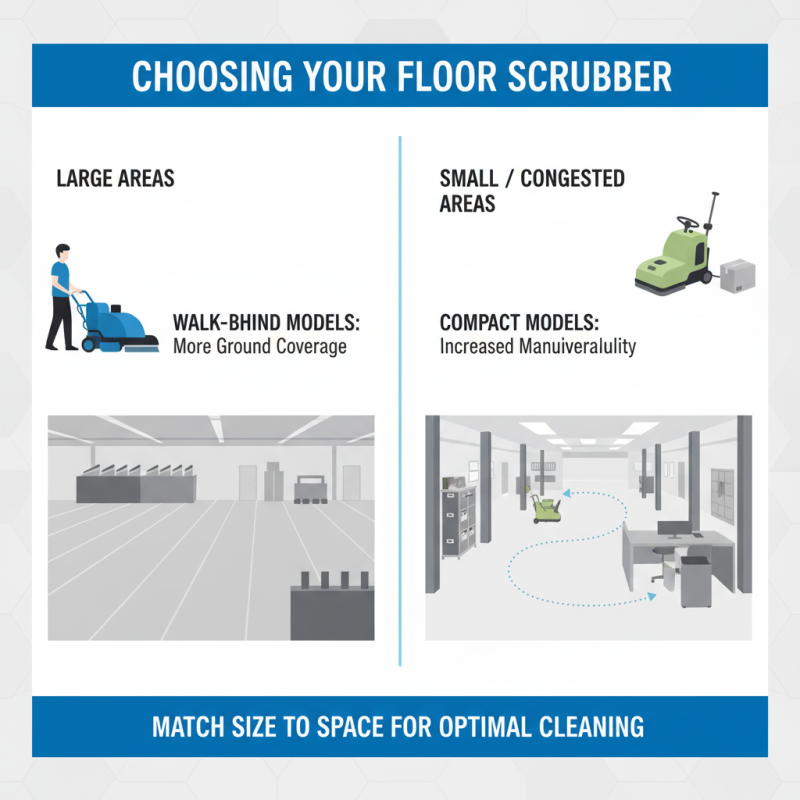
When selecting a floor sweeper scrubber, it’s essential to focus on key features that align with your specific cleaning needs. One critical factor to consider is the size and type of the area you will be cleaning. According to industry data, facilities with larger floor spaces may benefit from walk-behind models, which tend to cover more ground efficiently. In contrast, compact and lightweight options are better suited for smaller areas or spaces with obstacles, allowing for increased maneuverability.
Another significant feature is the machine's cleaning power, which includes its scrubbing capabilities and suction efficiency. Data from recent market analysis indicates that machines with dual scrubbing action and high-quality suction systems can significantly reduce dry time and improve overall cleanliness. It’s also vital to assess the ease of operation and maintenance. User-friendly controls and easy-access components for quick maintenance can greatly enhance productivity and reduce downtime.
Tips for selecting the right model include evaluating battery life and charging time, especially if the unit is battery-operated. A longer battery lifespan can lead to uninterrupted cleaning sessions, which is paramount in high-traffic areas. Additionally, consider the machine’s noise level; quieter models are highly preferred in environments like schools and hospitals, where a peaceful atmosphere is crucial for occupants. By focusing on these key features, you can make an informed decision that meets your cleaning requirements effectively.
Evaluating Performance: Cleaning Efficiency and Coverage Areas
When selecting a floor sweeper scrubber, evaluating cleaning efficiency and coverage areas plays a crucial role. According to a recent industry report by the Cleaning Industry Research Institute, the cleaning efficiency of floor scrubbers can vary significantly based on design and technology, with more advanced models achieving up to 98% cleaning effectiveness on hard surfaces. This efficiency translates into a reduction in time spent on tasks and improved overall cleanliness, which is especially vital for high-traffic facilities like warehouses and retail spaces.
In addition to efficiency, the coverage area of a floor sweeper scrubber is key to maximizing productivity. For instance, machines that cover larger areas per hour can greatly reduce downtime between cleaning sessions. A study by the International Sanitary Supply Association highlights that scrubbers with a coverage capacity of over 30,000 square feet per hour can decrease operational costs by up to 25%, as they allow for quicker service without compromising cleanliness. Therefore, when choosing a floor sweeper scrubber, it is essential to consider both the cleaning efficiency and the coverage area to ensure that it aligns with the specific needs of the facility, ultimately enhancing performance and effectiveness.
Cleaning Efficiency Comparison of Floor Sweeper Scrubbers
This chart compares the cleaning efficiency and coverage areas of various floor sweeper scrubbers based on their performance ratings. The data represents different models and their respective cleaning efficiency percentages and the coverage area in square feet.
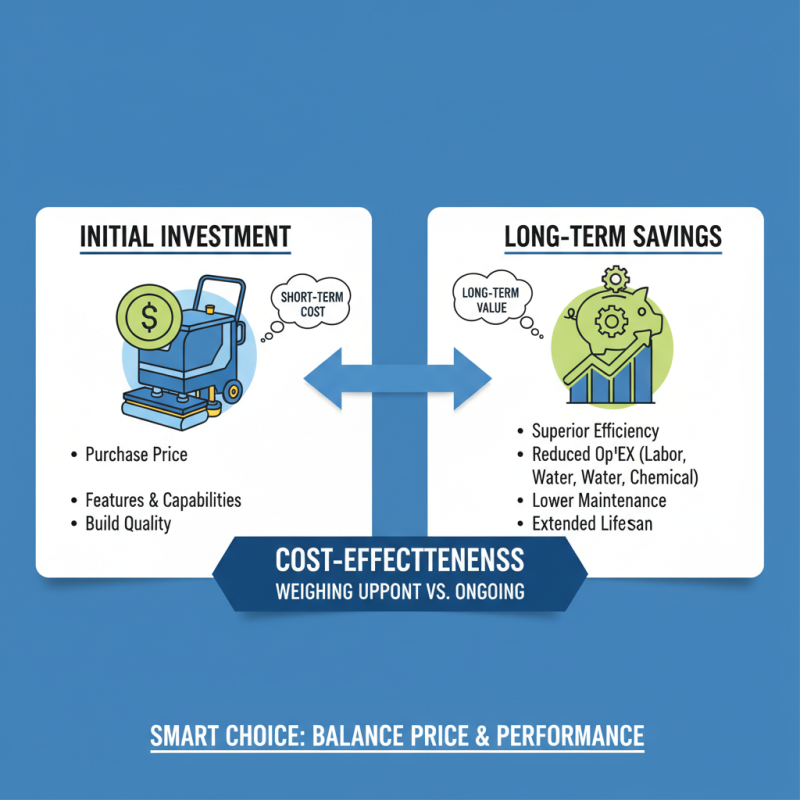
Assessing Cost-Effectiveness: Initial Investment vs. Long-Term Savings
When considering the purchase of a floor sweeper scrubber, it is crucial to assess the cost-effectiveness of your choice by weighing the initial investment against potential long-term savings. The upfront costs of these machines can vary significantly, influenced by features, capabilities, and build quality. While a more expensive model might strain your budget in the short term, it could offer superior efficiency, reduced operational costs, and lower maintenance expenses over time.
By carefully analyzing the total cost of ownership, including energy consumption, supplies, and repairs, you can make a more informed decision. A high-quality floor sweeper scrubber may require a larger initial outlay but can lead to substantial savings through increased productivity and extended lifespan. Additionally, many machines are designed for lower energy consumption and require fewer consumables, further contributing to long-term financial benefits. Therefore, a detailed evaluation of both immediate costs and projected savings will help you choose the best equipment for your needs.
Maintenance Tips for Prolonging the Life of Your Floor Sweeper Scrubber
To ensure the longevity and efficiency of your floor sweeper scrubber, regular maintenance is essential. One of the most important aspects is keeping the machine clean after each use. This not only prevents dirt and debris buildup but also allows you to quickly identify any potential issues. Wipe down the exterior and remove any stuck debris from brushes and pads. Additionally, empty the dirty water tank promptly to prevent odors and bacterial growth, which could affect both the machine's performance and the cleanliness of the floors.
Another critical maintenance tip is to regularly check and replace worn parts. Brushes, pads, and filters can wear down over time, impacting the overall effectiveness of your cleaning equipment. Following the manufacturer's guidelines, inspect these components frequently, and replace them when necessary to maintain optimal functionality. Lastly, storing the floor sweeper scrubber in a dry, temperature-controlled environment will help prevent damage and corrosion, further extending its lifespan and ensuring it remains ready for action whenever you need it.

 Floor Scrubber
  Floor Sweeper
 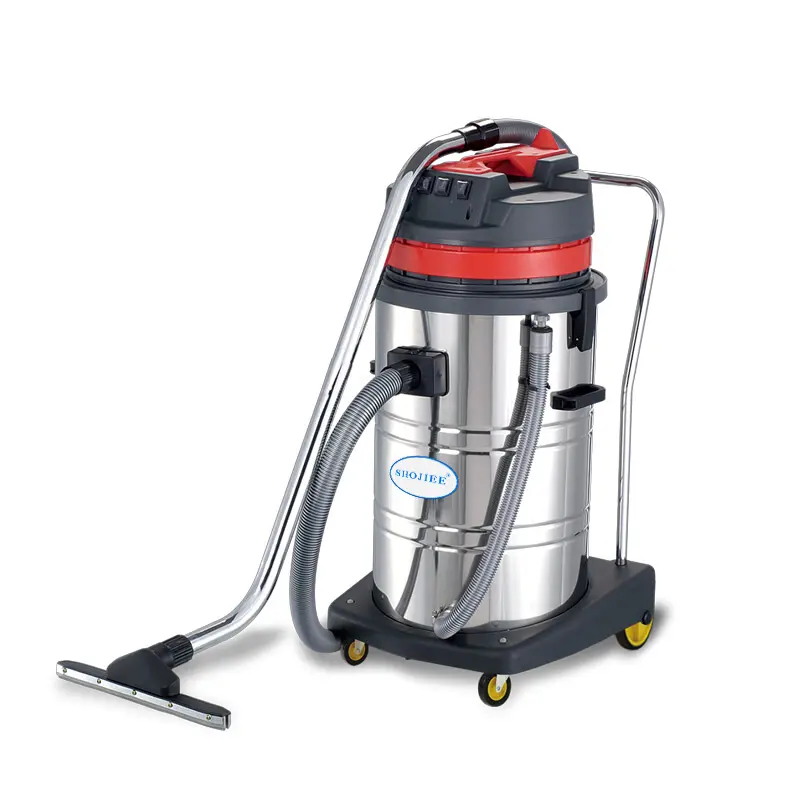 Vacuum Cleaner
 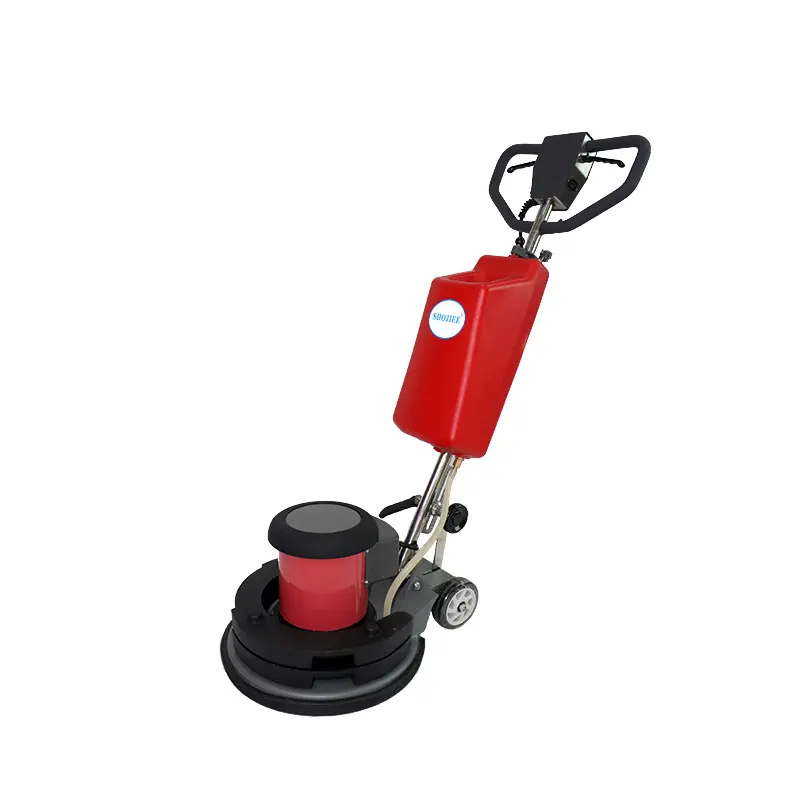 Hotel Cleaning Equipment